Services
Log Book Warranty Services
A logbook service, also known as a new car service, is a scheduled maintenance procedure outlined by your car’s manufacturer to ensure your vehicle is properly maintained and its warranty remains valid.
It involves following specific guidelines for checks, fluid changes, and parts replacements at predetermined intervals.
Keeping your logbook updated is crucial for maintaining your warranty and can also increase your vehicle’s resale value.


Tyres
You should replace your tyres when they show signs of wear and tear that compromise safety and performance.
This includes having insufficient tread depth, experiencing excessive vibration or road noise, or showing signs of damage like cracks, bulges, or embedded objects.
Tyres older than five years should also be checked regularly, even if they appear undamaged, as rubber degrades over time.
Mechanical Repairs
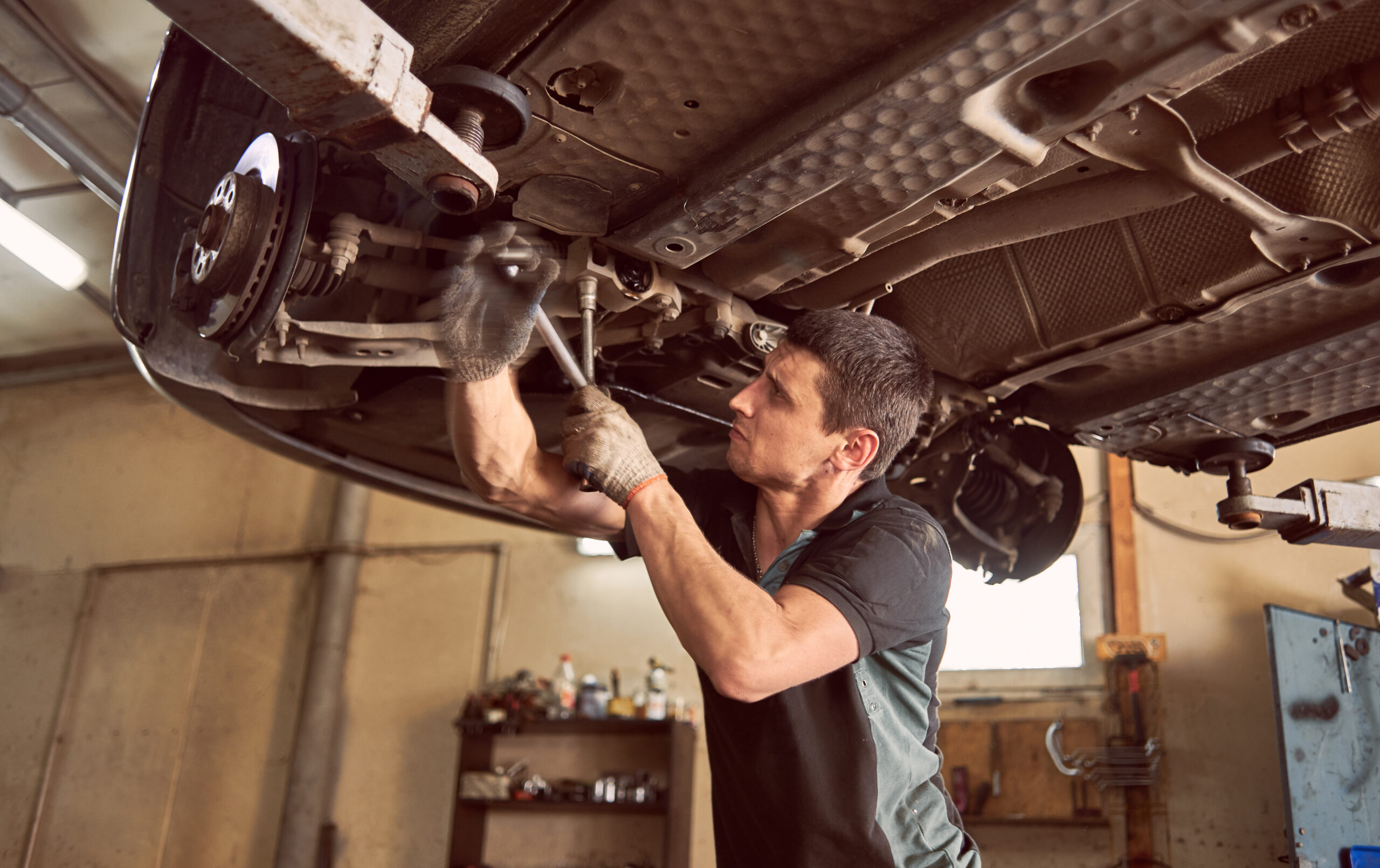
General mechanical repairs encompass a broad range of services focused on maintaining and fixing the mechanical components of vehicles.
These services include inspecting, diagnosing, and repairing issues with the engine, transmission, steering, suspension, brakes, cooling system, and other vital parts of a car.
Essentially, any mechanical issue that affects a vehicle’s functionality falls under this category.
Diesel Performance Tuning
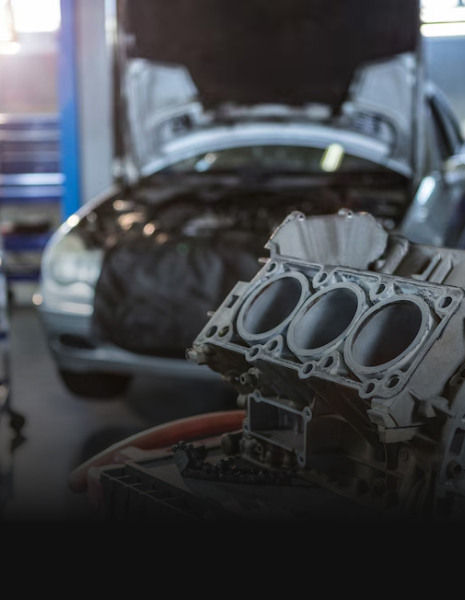
Diesel performance tuning is the process of modifying a diesel engine’s settings to improve its power, torque, and overall performance. This is typically achieved by adjusting parameters within the engine control unit (ECU). It can lead to noticeable gains in power, responsiveness, and fuel efficiency.
ECU Remapping:
The most common method involves reprogramming the engine’s ECU to optimise fuel delivery, boost pressure, and other parameters.
Performance Upgrades:
In addition to ECU tuning, modifications like installing a larger turbocharger, upgrading the exhaust system, or improving the air intake can further enhance performance.
Benefits of Diesel Performance Tuning:
Increased Power and Torque:
Tuning can significantly increase the engine’s power output and torque, especially at lower engine speeds.
Improved Fuel Efficiency:
Optimised settings can lead to better fuel economy, especially in situations where the engine isn’t under heavy load.
Enhanced Throttle Response:
Tuning can make the engine more responsive to the driver’s inputs, leading to a more enjoyable driving experience.
Considerations before tuning:
Warranty: Tuning can potentially void the vehicle’s warranty.
Emissions: Modifications should be done responsibly to ensure they comply with local emissions regulations.
Reliability: While tuning can improve performance, it’s crucial to ensure that the modifications don’t compromise the engine’s long-term reliability.
In essence, diesel performance tuning is about optimising the engine’s settings to unlock its full potential, but it should be done carefully and with consideration for the vehicle’s warranty and local regulations.